Crystal Palace Park rubbish removal rules and council advice
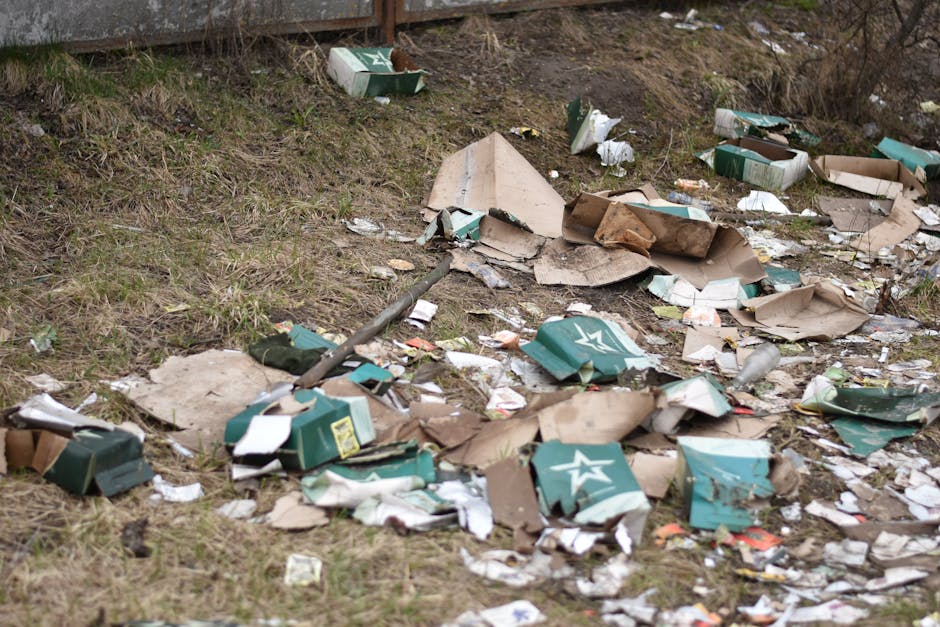
If you are trying to clear rubbish near Crystal Palace Park, the frustrating bit is rarely the lifting itself. It is figuring out what is allowed, what the council expects, and how to avoid turning a simple tidy-up into a messy issue. Crystal Palace Park rubbish removal rules and council advice matter whether you are emptying a flat, shifting garden waste after a weekend job, or dealing with bulky items that simply will not fit in the car. The good news? Once you understand the basics, the process becomes a lot calmer, and a lot more manageable.
This guide breaks down the practical rules, sensible local advice, common mistakes, and the easiest ways to handle waste properly without getting caught out. It is written for real-life situations, not perfect ones. Because let's face it, rubbish has a habit of piling up just when you have the least time for it.
Why Crystal Palace Park rubbish removal rules and council advice Matters
Crystal Palace Park is a well-used public space, which means rubbish in or around the park is not just an eyesore. It can create safety problems, attract pests, block pathways, and lead to complaints from visitors, local residents, and park staff. If waste is left in the wrong place or dumped carelessly, it can also result in enforcement action. Nobody wants that for the sake of a couple of bin bags.
The other reason this matters is simple: different kinds of waste need different handling. A bag of picnic litter is one thing. A broken chair, a pile of hedge cuttings, or leftover rubble from home improvements is something else entirely. Council advice is there to help you separate those jobs properly so you do not accidentally use the wrong disposal route.
In practical terms, this topic comes up most often when people are:
- clearing a home near the park after a move or refurbishment
- disposing of bulky household items
- dealing with garden waste from a property close to the park
- removing rubbish after a picnic, event, or family gathering
- trying to avoid fly-tipping or bad disposal habits
That last one is worth underlining. Fly-tipping is not a harmless shortcut; it creates extra work for the council, affects the park environment, and can leave the original waste owner exposed if it is traced back. Quite a grim way to save twenty minutes.
If you need a broader overview of disposal services, our rubbish removal and rubbish collection pages explain the service side in more detail.
How Crystal Palace Park rubbish removal rules and council advice Works
The practical side of rubbish removal near the park usually falls into three buckets: what you can place in public bins, what you should take home, and what needs a specialist disposal route or booked collection. That sounds simple, but the details matter.
For small amounts of everyday litter, the expectation is straightforward: use the bins provided, keep the area tidy, and do not leave waste beside an overflowing bin. If a bin is full, the sensible move is to take your rubbish away with you. It is not glamorous, but it is the right thing to do.
For domestic waste, the council generally expects you to use authorised collection channels rather than leaving items anywhere near the park, on pavements, or in shared spaces. That applies to:
- household bags of rubbish
- old furniture
- broken appliances
- garden waste
- building debris
For larger clearances, the process is usually more organised. You sort the materials, decide what is reusable, recyclable, or general waste, and then choose the most suitable collection or disposal method. In many cases, a private waste contractor is the quickest option if you have a lot to shift and do not want the hassle of multiple trips.
If the job involves a home, flat, garage, or office nearby, it may be worth looking at related services such as house clearance, flat clearance, garage clearance, or office clearance. These are especially useful when rubbish removal is part of a bigger declutter rather than a one-off bag drop.
The council's advice generally focuses on keeping public land clean, avoiding nuisance, and disposing of waste lawfully. That means not blocking paths, not leaving items beside bins, and not assuming park litter points are for household or builder waste. They are not. That confusion causes more problems than people expect.
Key Benefits and Practical Advantages
Following the rules around rubbish removal near Crystal Palace Park is not just about avoiding trouble. There are some real-world benefits too, and they become obvious fast once you have dealt with waste the right way.
- Cleaner public spaces: obvious, but still the biggest one. Less litter means a better park for everyone.
- Lower risk of fines or complaints: keeping waste out of the wrong place reduces the chance of enforcement action.
- Less stress: when you know where things are going, the job feels much easier.
- Better recycling: separating usable and recyclable items improves disposal outcomes.
- Safer handling: broken glass, sharp metal, and heavy items are less likely to cause injuries when handled properly.
- Faster clearances: a planned removal is quicker than a last-minute scramble.
There is also a quieter benefit that people often overlook: a proper clear-out feels satisfying. A tidy shed, clean driveway, or cleared front garden can make a space feel lighter almost immediately. You notice it when the clutter is gone. The air seems less busy, if that makes sense.
For heavier items, using a dedicated service such as furniture disposal or sofa removal can save an awkward carry and reduce the risk of damage to hallways, stairs, or shared entrances.
Who This Is For and When It Makes Sense
This advice is useful for more people than you might think. It is not only for residents right on the park boundary, and it is not only for people who have already had a problem. In fact, the best time to read it is before the waste is sitting there staring back at you.
You may need this if you are:
- a homeowner clearing out after renovations or decorating
- a tenant moving out of a nearby flat
- a landlord preparing a property between lets
- a business owner dealing with bulky commercial waste
- someone finishing a garden project and left with cuttings, soil, or old materials
- a family member helping clear a relative's home or storage space
It also makes sense if you have a mixed load. That is common. A bit of old furniture, some cardboard, a broken shelf, and bags of garden waste all at once. Mixed loads are exactly where good advice matters, because each item may need a slightly different route.
For example, builders' offcuts from a small renovation should be treated differently from household clutter. If that sounds familiar, our builders waste page is a useful next step. Likewise, if the job has grown into a full sort-out, home clearance or waste clearance may be the cleaner solution.
And if you are only dealing with a small volume, do not overcomplicate it. Sometimes a few carefully planned bags and a proper recycling run is enough. No need to turn Tuesday evening into a full logistics operation.
Step-by-Step Guidance
If you want to avoid mistakes, take the process one step at a time. Rushing is where problems start. The smell of damp cardboard, a half-collapsed box, and a "I'll deal with it later" attitude can create a surprisingly annoying week.
- Identify the waste type. Separate general rubbish, recycling, garden waste, bulky items, and anything hazardous.
- Check whether it belongs in a public bin. Small litter can go in the park bins; larger waste should not.
- Sort reusable items. Furniture, appliances, or household goods in usable condition may be better donated, stored, or passed on.
- Bag and secure loose material. This is especially important for lightweight items that can blow away.
- Decide on your disposal route. Home collection, private clearance, recycling, or council guidance may all be relevant.
- Arrange transport or pickup. If you cannot move the items safely yourself, use a professional service.
- Leave the area clean. Check for small fragments, tape, nails, or packaging. The tiny bits are always the ones people miss.
If the waste is being generated from work rather than a household task, it may be wiser to use business waste or, for a workplace, office clearance. That helps keep commercial and domestic waste streams separate, which is the proper way to handle it.
For regular household disposal needs, the chain is usually simple: clear, sort, load, and remove. The more organised the waste stream, the less likely you are to make a wrong call on the day.
Expert Tips for Better Results
Over time, the best rubbish removals have one thing in common: they start with sorting, not lifting. A bit of prep saves a lot of grief later.
Tip 1: Separate heavy and awkward items early. Old radiators, garden planters, damp carpets, and broken wardrobes are all more difficult than they look. Put them near the exit, not buried under lighter bags.
Tip 2: Keep wet waste apart. Damp garden material, food waste, and soggy cardboard can make a clearance smell far worse than it needs to. It also adds weight. Sneaky, that.
Tip 3: Think about access before collection day. If a van cannot get close, or if there are tight stairs, tell the collector early. A little honesty saves a lot of swearing at the kerb.
Tip 4: Use the right service for the right material. A general rubbish service is not always ideal for one huge sofa, a garage full of junk, or a garden piled high after pruning. Matching the service to the load usually gives a better result.
Tip 5: Keep an eye on items with mixed materials. Furniture with metal frames, upholstered pieces, and electrical items can need separate handling. A sensible picker-upper will know this already, but it helps if you mention it.
If the task involves a large garden tidy, have a look at garden clearance. For the "one sofa, two chairs, and a pile of odds and ends" situation, furniture disposal is often more suitable than trying to do everything in a few car journeys.
Common Mistakes to Avoid
The mistakes tend to be very predictable. That is good news, because predictable problems are easy to prevent.
- Leaving waste beside a full bin: this is still littering, even if it feels like a temporary fix.
- Assuming the park will take household rubbish: it will not. Park bins are not a substitute for waste collection.
- Mixing recycling with general waste: this makes disposal less efficient and can increase costs.
- Dumping bulky items on streets or open spaces: this creates enforcement risk and community frustration.
- Ignoring access issues: a collection blocked by a parked car or locked gate can be delayed or missed.
- Overloading bags: overfilled bags split, and then you are picking up rubbish twice. Nobody enjoys that.
- Forgetting hazardous materials: paint, chemicals, batteries, and similar items should not be thrown out casually.
Another common error is underestimating the size of the job. A "quick clear" often becomes a full room-by-room sort once you start moving things. It happens to everyone. Truth be told, that is usually when people realise they need help.
Tools, Resources and Recommendations
You do not need a big toolkit to handle rubbish properly, but a few basic items make the process smoother.
- Heavy-duty bags: useful for general waste and light garden waste.
- Gloves: especially if you are handling broken items, soil, or old storage clutter.
- Moving blankets or straps: handy for furniture and bulky pieces.
- Marker pen and tape: useful for labelling recycling, donation, or disposal piles.
- Dustpan, brush, and hand vacuum: small but very useful for the final sweep.
- Boxes or crates: keep sharp or loose items contained.
For bigger jobs, a professional waste team may also use loading equipment, sack trucks, or vehicle-based collection systems. You do not need to know the technical side, but it helps to know that efficient clearing is often about handling, not just hauling.
If you are deciding between disposal methods, compare the type of waste, amount, access, and speed. A one-off collection is often the most practical option for busy households. For larger or repeated waste streams, a dedicated waste collection or waste removal arrangement may be more suitable.
A final recommendation: check what can be reused before you pay to remove it. Some things are too far gone, of course, but not everything in a declutter needs to become waste. That simple pause can save money and reduce landfill pressure.
Law, Compliance, Standards, or Best Practice
When rubbish removal is connected to a public park, the safest approach is to assume there are rules around nuisance, littering, fly-tipping, and safe disposal. The exact details can vary by location and waste type, so if you are unsure, follow the council's current advice and use a lawful disposal route. That is the sensible line, and usually the easiest one to defend if anyone asks questions later.
Best practice in the UK generally means:
- disposing of waste through authorised channels
- keeping public land free from dumped material
- separating recyclable, reusable, and general waste where possible
- keeping hazardous items out of mixed rubbish
- using properly registered and reputable waste operators for removal work
There is also a basic duty of care expectation in everyday waste handling: if you produce waste, you should take reasonable steps to ensure it is transferred and disposed of properly. You do not need to become a legal expert to do that; you just need to be careful about who takes the waste and where it ends up.
For residents and businesses near Crystal Palace Park, good compliance is often less about bureaucracy and more about good habits. Do not leave rubbish behind, do not assume an empty patch of grass is a dumping point, and do not hand waste to someone who cannot clearly explain how it will be handled.
Options, Methods, or Comparison Table
There is no single best method for every job. The right choice depends on volume, item type, urgency, and how much lifting you want to do yourself.
| Method | Best for | Pros | Watch out for |
|---|---|---|---|
| Public bins / on-the-spot litter disposal | Small personal litter | Fast and simple | Only suitable for small amounts; do not overfill |
| Self-haul to a disposal point | Smaller household loads | Good control over sorting | Time, transport, and lifting required |
| Private rubbish collection | General household waste, bulky items | Convenient and quick | Choose a reputable provider and clear pricing |
| Specialist item removal | Sofas, furniture, garden waste, builders' waste | Better suited to awkward loads | Match the service to the waste type |
| Full clearance service | Homes, flats, garages, offices, or mixed loads | Efficient for bigger jobs | Needs planning and access |
In real life, most people end up choosing between self-haul and a booked collection. If the items are heavy or awkward, the time saved by a proper collection is usually worth it. If the job is small and you already have transport, self-haul can make sense. Simple as that.
Case Study or Real-World Example
A very typical scenario: a family living near Crystal Palace Park spends the weekend clearing a small rear garden after months of neglect. They end up with hedge cuttings, a broken rattan chair, old plant pots, a damp cardboard box of outdoor toys, and a couple of bags of household clutter that somehow migrated outside.
At first, they think it is just "a few bits." Then they start stacking it up and realise it is more than one car load, and the broken chair is awkward in a way that only broken furniture can be. There is also the issue of where everything should go. Garden waste is not the same as household rubbish, and the chair certainly is not park-bin material.
The sensible approach was to sort everything into three piles:
- Garden waste: cuttings, soil residue, and plant material
- Bulky item: the chair for furniture disposal
- General rubbish: the household odds and ends
They then arranged a proper collection and left the area swept clean. No drama, no awkward overflow by the park, no last-minute guessing. It was finished properly, and the relief was visible. You could almost hear the back door close with a sigh.
That is really the point of the council advice and removal rules: not to make life harder, but to keep waste from becoming someone else's problem.
Practical Checklist
Use this before you move anything out.
- Have I identified the waste type correctly?
- Is any of it hazardous, sharp, wet, or heavy?
- Can anything be reused, donated, or recycled?
- Am I sure it should not go in a park bin?
- Do I need a specialist service for furniture, garden waste, or builders' waste?
- Is the access route clear for collection or loading?
- Have I bagged or boxed loose items securely?
- Have I kept general rubbish separate from recyclables?
- Do I know who is taking the waste and where it is going?
- Have I swept up small debris before leaving?
If you can tick off most of those points, you are in a much better position. And if a couple of them are not clear, that is usually the sign to pause and plan rather than rush. A bit of caution now saves hassle later.
Conclusion
Crystal Palace Park rubbish removal rules and council advice are ultimately about keeping the park pleasant, safe, and easy to enjoy, while helping residents and visitors dispose of waste properly. Once you separate small litter from bulky items, and household waste from garden or builders' waste, the whole process becomes much easier to manage.
The best results usually come from simple habits: sort first, lift second, and never leave waste where it does not belong. If you are dealing with a larger clearance, or the job has become too much for a quick DIY tidy, using the right removal service can save time and reduce stress without cutting corners.
Get a free quote today and see how much you can save.
Do the job properly, and the whole area feels better for it. That is worth a fair bit, really.
Frequently Asked Questions
Can I leave rubbish next to a full bin in Crystal Palace Park?
No, that is usually treated as littering or unlawful dumping rather than proper disposal. If a bin is full, take the rubbish with you and use another authorised option.
What counts as bulky rubbish near the park?
Bulky rubbish normally means items that are too large to go in a standard bin, such as chairs, tables, sofas, mattresses, or large bagged loads.
Can I put garden waste in a park bin?
Small bits might fit, but garden waste from a household job should usually be handled separately. For larger amounts, a proper garden clearance is the better route.
What should I do with a broken sofa or old chair?
Use a specialist furniture or sofa removal service if you cannot dispose of it through your normal collection options. It is safer, cleaner, and usually less hassle.
Is fly-tipping near Crystal Palace Park a serious issue?
Yes. It creates mess, risks penalties, and places strain on local services. Even a small dumped pile can become a bigger problem quickly.
Do I need a clearance service for a small flat tidy-up?
Not always. If it is only a few bags, you may manage it yourself. But for mixed waste, bulky items, or multiple rooms, a flat clearance can be far more practical.
What happens if waste includes sharp or hazardous items?
Sharp and hazardous items need careful handling and should not be mixed with general waste. Keep them separate and follow the appropriate disposal route.
How do I know whether my waste is household or business waste?
If the waste comes from a commercial activity, office, or trade use, it is usually business waste. Household clutter, move-out waste, and domestic rubbish are different.
Can I mix garden waste with general rubbish?
You can physically mix them, but it is not best practice. Separate them if you can, because it helps with disposal, recycling, and often the overall cost of removal.
Is it worth using a private rubbish removal service for one-off jobs?
Yes, especially if the waste is bulky, awkward, or time-sensitive. For many people, the convenience and reduced lifting are well worth it.
What is the safest way to clear rubbish near a public park?
Sort the waste first, use appropriate bags or boxes, keep paths clear, and remove everything through a lawful disposal route rather than leaving it by bins or trees.
Where can I get more help with larger clearances?
If the job is bigger than expected, it may help to look at broader options such as waste removal, rubbish clearance, or a more complete home or garage clearance service.